
Grand Ledge Schools Move to Replace Drinking Fountains Under Michigan Water Law
District approves purchase of filtered bottle stations as part of statewide effort to reduce lead exposure.
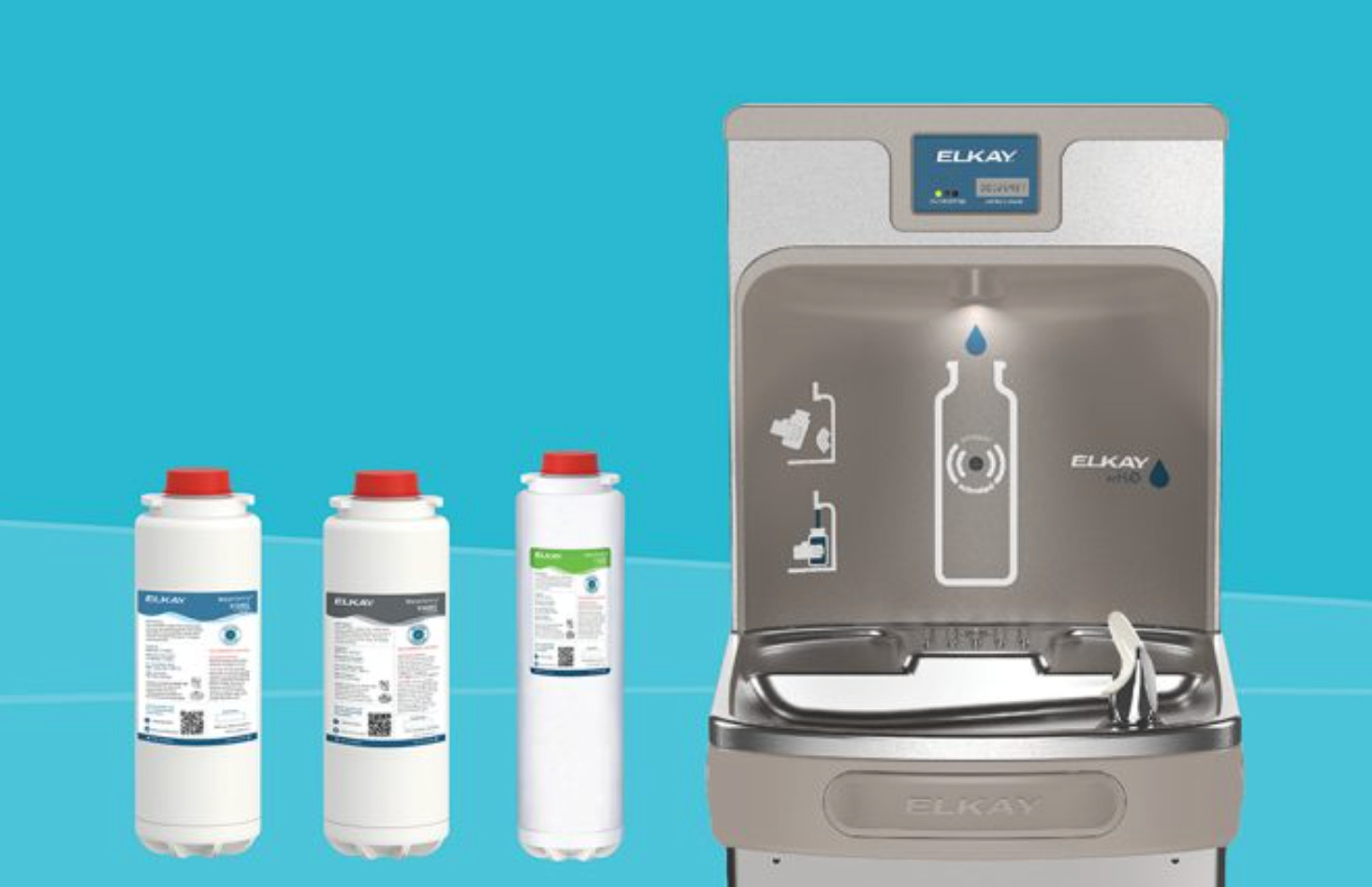
GRAND LEDGE — Grand Ledge Public Schools will begin replacing drinking fountains across its buildings with filtered bottle-filling stations after the Board of Education approved a purchase required under Michigan’s new drinking-water safety law.
The board voted on Feb. 23 to authorize the purchase of bottle-filling stations for $104,420 from Etna Supply and to contract with Myers Plumbing and Heating for installation services billed at $140 per hour plus materials. The project will add roughly 71 filtered bottle-filling stations across district schools.
The new units are combination fixtures that include both a traditional drinking fountain and a touchless bottle-filling station, replacing older hallway and classroom fountains with filtered systems designed to reduce potential lead exposure.
District officials said the work is part of compliance with Michigan’s Clean Drinking Water Access Act, a 2023 law aimed at reducing the risk of lead exposure in school drinking water. The law requires districts to install lead-reducing filters on drinking fixtures and ensure filtered bottle-filling stations are available at a ratio of one for every 100 occupants.
Grand Ledge Public Schools received $149,180 in state Filter First grant funding to help offset the cost of the upgrades, according to documents included in the board’s meeting packet.
But the funding does not cover the full cost of compliance.
“The grant does not cover the full cost of what is required by the law,” Deputy Superintendent Steven Gabriel told the board.
A shift away from traditional fountains
The upgrades will significantly change how drinking water is accessed in school buildings.
“The current water fountains in the hallways and so forth will be replaced,” Gabriel said. “The ones in the classrooms will be shut off and labeled as non-drinking water moving forward.”
Vendor documents included in the board packet show the purchase includes 55 single bottle-filling stations and 16 bi-level units, for a total of 71 stations.
Contractors estimate each station will require three to four hours to install.
To reduce costs, Facilities supervisor Daniel Bocock said district maintenance staff will remove existing fountains ahead of the plumbing work.
“Our district staff is going to do the removal of the old fountains and work ahead of them on a schedule to try to have as much potential cost savings as possible,” Bocock said.
Compliance deadline approaching
The Clean Drinking Water Access Act requires school districts to develop a drinking water management plan, install filtered fixtures and bottle-filling stations, and regularly test water quality.
District officials said they expect to complete all required work by June 30, 2026, the state deadline for schools to comply with the law.
Superintendent Bill Barnes noted that projects like water system upgrades are part of the broader infrastructure responsibilities schools manage beyond classroom instruction.
“This is one of those things school districts do that don’t have anything to do with teaching and learning,” he said, “but is important for our kids and for their health.”
Access to water can also affect classroom performance.
“If kids are hydrated, that means that they are better able to focus, which means they're better able to learn,” he said.
The board approved the purchase unanimously.